Better evidence. Better discoveries.
Build identification skills and make your field records useful.
What can you actually see?
Use visible characters to choose a group to compare. This introductory key is incomplete and does not confirm a species.
Life cycles change the habitat story
Australian Museum referenceComplete metamorphosis
Butterflies, moths, beetles, flies and Hymenoptera develop through a pupal stage. Juveniles and adults often use different foods and places.
Incomplete metamorphosis
Grasshoppers, true bugs, mantises and dragonflies develop without a pupal stage. An aquatic juvenile and a flying adult may still use very different settings.
A small entomology glossary
The adult stage of an insect.
An immature stage in insects with complete metamorphosis; it often differs greatly from the adult.
An immature stage in insects with incomplete metamorphosis.
The transitional stage between larva and adult in complete metamorphosis.
The shed outer skin left after a moult.
The hardened forewings of most beetles.
The middle body region bearing the legs and, in winged adults, the wings.
The rear body region, behind the thorax.
The dorsal plate of the first thoracic segment; often useful in identification.
The pattern of veins in a wing.
A plant used by an insect, often for feeding or development.
An organism whose immature development occurs on or in a host and ultimately kills it.
An organism that feeds on dead organic material.
A defined route or line along which observations are made.
A retained reference specimen linked to a record, subject to appropriate collection permissions.
Evidence that a taxon was recorded at a place and time.
A named unit of classification, such as a species, genus or family.
A classification rank above species.
A feature useful in distinguishing one taxon from others.
Systematic differences in where, when or how records are collected.
A small-scale habitat setting, such as a leaf surface, litter patch or water edge.
Compare with: an identification notation signalling resemblance and uncertainty.
A single unidentified species within a named genus.
More than one species within a named genus.
Leave the habitat working.
Observe and photograph without collecting, damaging host plants or disturbing nests and aggregation sites. Leave logs, bark and shelter in place; stay on permitted routes.
On Parks Victoria land, observation-only activities resembling ordinary visitor activities may not need a research access agreement. Research, trapping and collection can have different requirements; check the actual activity with the land manager.
Parks Victoria research access guidanceKeep threatened-species locations private or generalised when sharing. Respect Traditional Owners’ places and cultural knowledge, and follow local access guidance.
A suspected exotic pest needs an appropriate official reporting pathway and identification. Avoid handling an unfamiliar insect to obtain a closer photograph.
Victorian research permit guidanceWhat this atlas includes
The expanded insect catalogue was checked on 2026-10-20. It includes 14,945 names with Victorian evidence and 54,470 names across the expanded atlas. Victoria is the default scope; Australia-wide entries without Victorian evidence are labelled separately. ALA species-name facets are combined with active species-rank iNaturalist taxa and taxonomically matched GBIF records. Totals count named entries, not verified distinct biological species.
Source taxonomy, historical collections, synonyms, misidentifications and coordinate uncertainty can affect interpretation. iNaturalist uses wild research-grade and needs-ID records. GBIF additions require Victorian locality, coordinates, present status and no geospatial issue flagged; new names require an exact species-rank match in class Insecta. Shared records are not summed across providers. Recorded presence is not a complete verified inventory or evidence of present-day abundance. The ALA source label “Phasmida” is displayed as Phasmatodea where helpful.
Guided profiles are an introductory selection. Habitat associations and game encounters are broad educational guides. Live taxon pages retrieve taxonomy, monthly recording patterns and recent occurrences from ALA; when retrieval fails, the saved catalogue is labelled as a fallback.
Personal records stay in this private logbook and are not automatically contributed to any biodiversity database. Game progress is stored separately from field observations. The discovery studio offers experimental local photo-group and sound-category suggestions; it does not establish species identity.
More ways to investigate
Live iNaturalist sightings offer nearby inspiration with source links and licensed photographs. Catalogue names can look up an exact taxon photograph when a suitable licensed image exists; missing photographs are labelled honestly.
The discovery studio runs general image and sound models on your device. Suggestions are unverified clues, with a limited set of categories. Your file is not uploaded by the studio. Pets use separate care records and captive observations, and game discoveries stay separate from real field evidence.
Image credits & licences
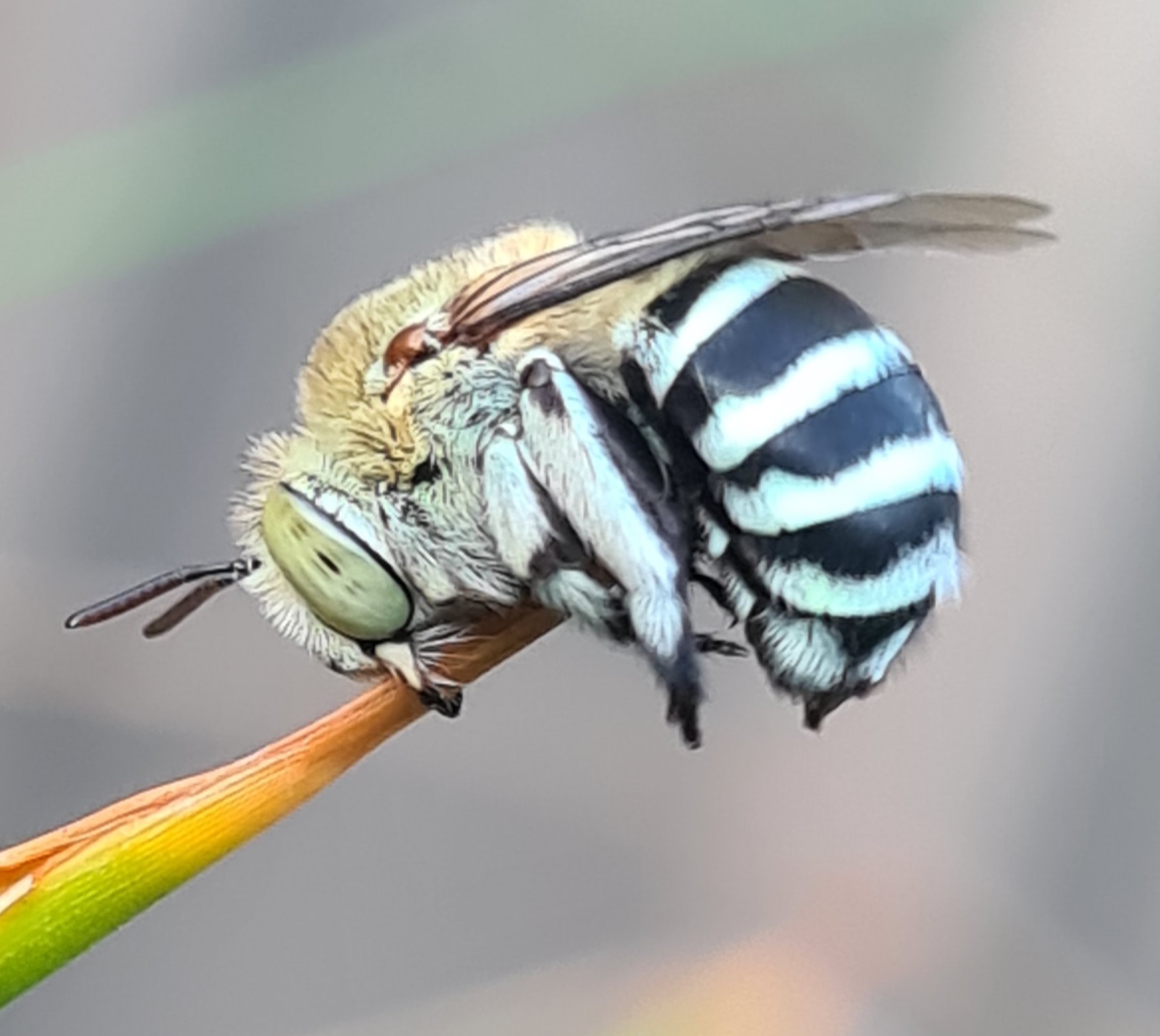
Blue-banded bee
Amegilla chlorocyanea
Heath Hunter (Hefree2) · photographed in Adelaide, South Australia.
Original photographCC BY-SA 4.0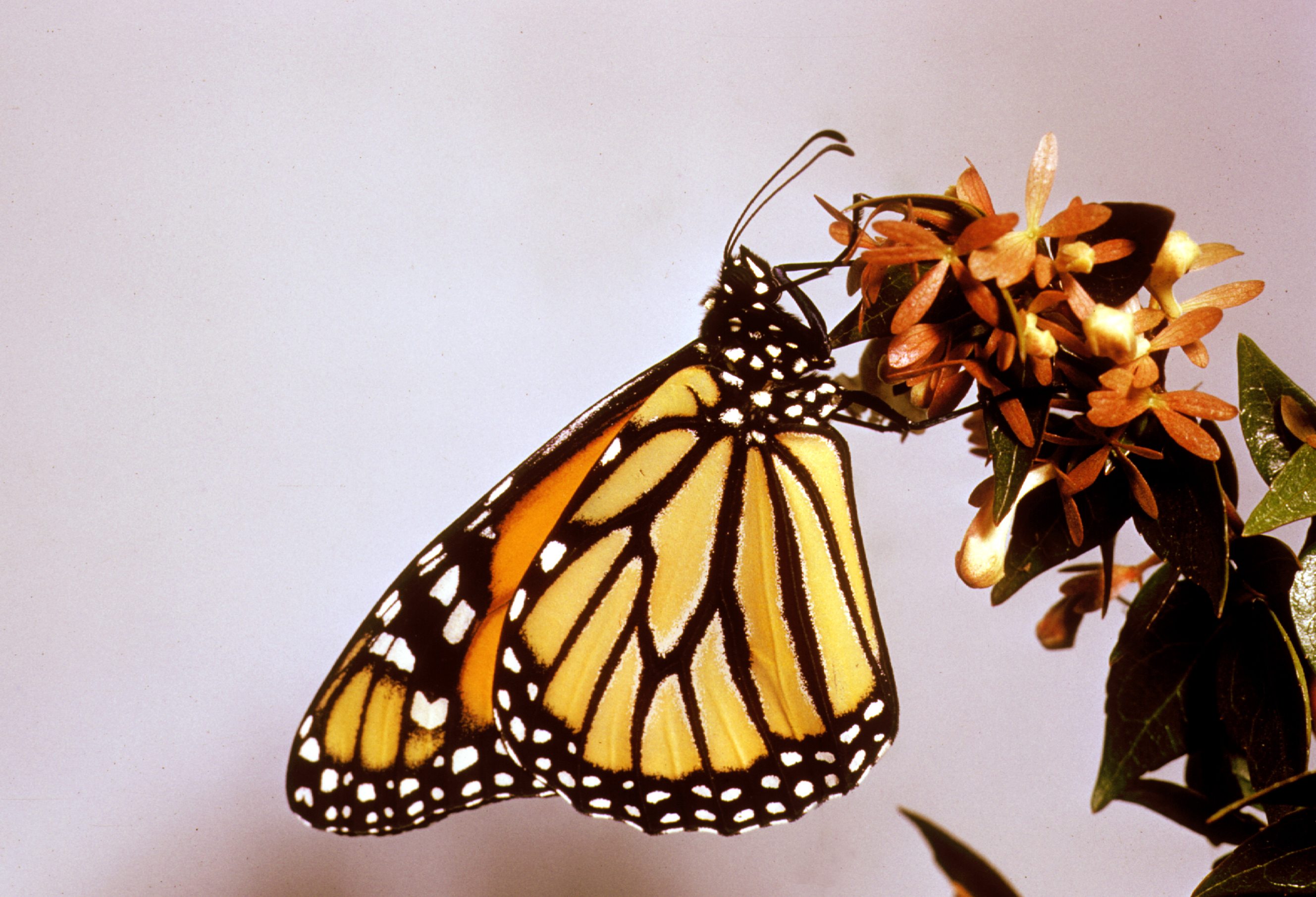
Wanderer butterfly
Danaus plexippus
Entomology, CSIRO · attribution: CSIRO.
Original photographCC BY 3.0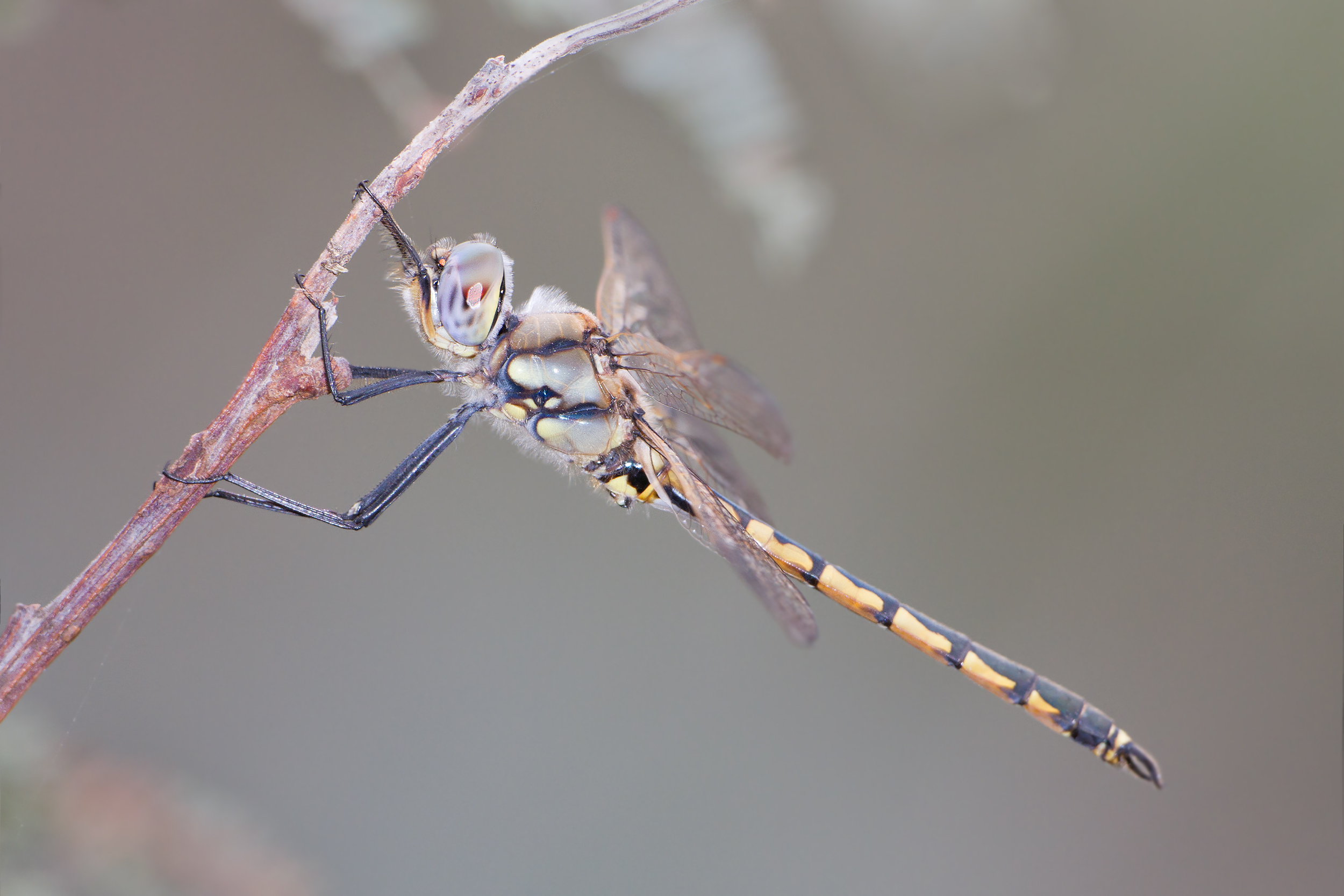
Tau emerald
Hemicordulia tau
JJ Harrison · photographed in Sandford, Tasmania.
Original photographCC BY-SA 3.0Original files are retained without edits. Some interface frames crop their display for layout. Reference images support comparison; they are not presented as Victorian sightings.